Ingredients Required
For the Chenna Balls
1 liter full-fat milk
2 tablespoons lemon juice or vinegar
4 cups water
1 cup sugar
For the Rabri (Flavored Milk)
1 liter full-fat milk
4 tablespoons sugar
½ teaspoon cardamom powder
A few strands of saffron
2 tablespoons chopped almonds
2 tablespoons chopped pistachios
Preparation Time
Preparation Time: 30 minutes
Cooking Time: 45 minutes
Total Time: Approximately 1 hour 15 minutes
Step 1: Prepare Fresh Chenna
The first step in learning how to make rasmalai at home is preparing fresh chenna.
Boil the Milk
Pour 1 liter of full-fat milk into a large pan and bring it to a boil.
Curdle the Milk
Reduce the flame and slowly add lemon juice or vinegar while stirring continuously.
The milk will begin to separate into curds and whey.
Strain the Chenna
Place a muslin cloth over a strainer and pour the curdled milk through it.
Wash the chenna under cold water to remove the sour taste of the lemon or vinegar.
Remove Excess Water
Tie the cloth and hang it for about 30 minutes to drain excess water.
The chenna should remain soft and moist.
Step 2: Knead the Chenna
Transfer the chenna to a clean plate.
Knead it gently for 8 to 10 minutes until it becomes smooth and soft.
The texture should resemble a smooth dough without any grains.
Proper kneading is important because it determines how soft the Rasmalai will be.
Step 3: Shape the Rasmalai Balls
Divide the dough into small equal portions.
Roll each portion into a smooth ball and then flatten it slightly.
Ensure there are no cracks on the surface.
The discs will expand during cooking, so keep them small.
Step 4: Prepare Sugar Syrup
Take a large pot and add:
4 cups water
1 cup sugar
Bring the mixture to a boil.
Stir until the sugar dissolves completely.
This syrup will be used to cook the chenna discs.
Step 5: Cook the Chenna Discs
Carefully place the prepared discs into the boiling sugar syrup.
Cover the pot with a lid.
Cook for about 15 minutes on medium-high heat.
The discs will double in size and become soft.
Once cooked, turn off the heat and allow them to cool slightly.
After cooling, gently press each disc to remove excess syrup.
Set them aside.
Step 6: Prepare the Rabri
The creamy milk mixture is what gives Rasmalai its rich flavor.
Boil the Milk
Pour 1 liter of full-fat milk into a heavy-bottomed pan.
Bring it to a boil while stirring occasionally.
Reduce the Milk
Cook on low heat until the milk reduces by about one-third.
This process makes the milk rich and creamy.
Add Flavorings
Add:
Sugar
Cardamom powder
Saffron strands
Mix well and continue cooking for a few minutes.
Add Nuts
Stir in chopped almonds and pistachios.
The nuts add texture and enhance the flavor of the dessert.
Step 7: Combine Everything
Allow the rabri to cool slightly.
Add the prepared chenna discs to the flavored milk.
Make sure the discs are fully submerged.
Let them soak for at least 3 to 4 hours.
This soaking process allows the discs to absorb the creamy milk and become incredibly flavorful.
Step 8: Chill Before Serving
Rasmalai tastes best when served chilled.
Refrigerate the dessert for several hours before serving.
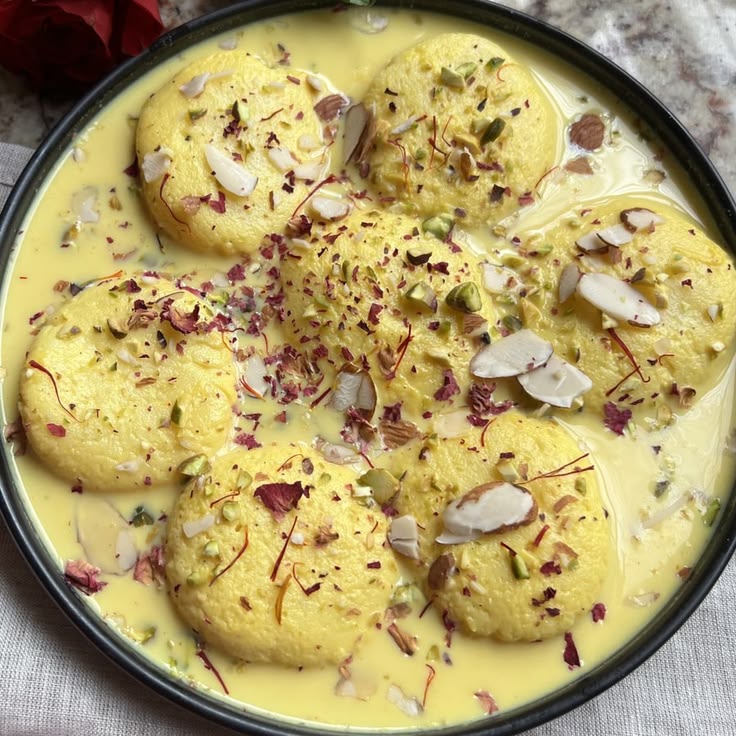
Garnish with:
Saffron strands
Chopped pistachios
Almond slices
Your homemade Rasmalai is now ready to enjoy.
Tips for Perfect Rasmalai
When learning how to make rasmalai at home, these tips can help you achieve excellent results.
Use Full-Fat Milk
Full-fat milk produces softer chenna and richer rabri.
Knead Properly
Well-kneaded chenna creates smooth and spongy discs.
Do Not Overcook
Overcooking can make the discs hard and rubbery.
Use Fresh Ingredients
Fresh milk and nuts improve both flavor and texture.
Chill Before Serving
Cold Rasmalai tastes more delicious and refreshing.
Common Mistakes to Avoid
Using Low-Fat Milk
Low-fat milk may not produce enough chenna.
Skipping the Washing Step
Washing the chenna removes the acidic taste.
Over-Kneading
Too much kneading can make the texture dense.
Thick Rabri Too Early
Do not reduce the milk excessively, as it will thicken further after cooling.
Not Soaking Long Enough
The discs need enough time to absorb the flavored milk.
Health Benefits of Rasmalai
Although Rasmalai is a sweet dessert, it also contains some nutritional benefits.
Good Source of Protein
The chenna provides protein that helps support muscle health.
Rich in Calcium
Milk contributes calcium, which is important for strong bones and teeth.
Energy Boost
The combination of milk and sugar provides quick energy.
Contains Healthy Nutrients
Nuts such as almonds and pistachios provide vitamins, minerals, and healthy fats.
Like all sweets, Rasmalai should be enjoyed in moderation as part of a balanced diet.
Why Homemade Rasmalai is Better
There are many advantages to preparing Rasmalai at home:
Fresh ingredients
No artificial preservatives
Better hygiene
Adjustable sweetness
Cost-effective
Rich authentic taste
When you learn how to make rasmalai at home, you can customize the recipe according to your family’s preferences.
Conclusion
If you have been searching for how to make rasmalai at home, this easy step-by-step guide can help you prepare a delicious and authentic Indian dessert. From making fresh chenna to creating creamy saffron-flavored rabri, every step contributes to the rich taste and soft texture that make Rasmalai so special.
Whether you are preparing it for a festival, a family gathering, or simply satisfying your sweet cravings, homemade Rasmalai is always a crowd-pleaser. With fresh ingredients, proper technique, and a little patience, you can create a restaurant-style dessert right in your own kitchen.